Winter Skin Problems Explained: Expert Advice on Why Skin Suffers and What Actually Helps...
If your skin feels dry, tight, or irritated every winter — even though you’re moisturising twice a day — you’re not doing anything wrong.
In fact, this is one of the most common frustrations we see at The Grange Spa during the colder months.
According to our skincare expert Emma, winter skin problems aren’t just about dryness. Instead, they’re usually caused by changes to the skin barrier itself.
Here’s what’s really happening — and what genuinely helps.
Why Skin Changes During Winter
During winter, several environmental factors work against your skin at the same time.
Firstly, colder outdoor air holds far less moisture. At the same time, indoor central heating dries the air even further. As a result, the skin loses water more quickly than it can replace it. This process is known as transepidermal water loss (TEWL).
Secondly, the skin’s natural oil production slows down in colder months. Because these oils play a key role in maintaining the skin barrier, their reduction leaves the skin more vulnerable. Consequently, moisture escapes more easily, and irritation becomes more likely.
In addition, hotter showers — which many of us rely on in winter — strip the skin of its natural protective oils. When combined with soap or harsh cleansers, this further weakens the skin barrier.
Finally, cold weather can slightly reduce circulation and cell turnover in exposed areas. Over time, this causes the outer layer of the skin to become flaky, uneven, and less resilient.
Emma, Spa Director and Skin Care Expert at The Grange Spa explains:
“In winter, we’re not just dealing with dry skin — we’re dealing with a compromised skin barrier. That’s why moisturising alone often isn’t enough.”
The Most Common Winter Skin Problems
Because the skin barrier is compromised, winter skin issues tend to show up in similar ways.
The most common problems include:
-
Dry, tight, or uncomfortable skin
-
Increased sensitivity or irritation
-
Rough or uneven texture
-
Itching or redness
-
Flaky patches, particularly on the face and body
Importantly, these symptoms often persist even when people moisturise regularly — because hydration alone doesn’t repair the barrier.
Emma clarifies:
“Tightness, irritation and flakiness are usually signs that the skin barrier is struggling, not that you’re failing at skincare.”
Common Winter Skincare Mistakes
According to Emma, winter skincare issues often worsen because of well-intentioned habits.
Some of the most common mistakes include:
-
Taking very hot showers
-
Using soaps or harsh foaming cleansers
-
Drinking less water
-
Over-exfoliating
-
Using products that don’t address the actual skin concern
-
Skipping SPF in winter
Simply switching to a thicker moisturiser rarely solves the problem. Instead, a few small changes to your routine can make a noticeable difference.
According to Emma:
“One of the biggest mistakes we see in winter is overdoing it — harsh cleansers, too much exfoliation, and products that don’t actually support barrier repair.”
How to Support Your Skin at Home During Winter
Because cold weather and central heating are unavoidable, the key is to adjust your skincare routine so your skin stays protected and supported.
1. Swap to a gentler cleanser
Replace foaming or soap-based cleansers with a balm cleanser. These oil-based cleansers help preserve the skin’s natural barrier rather than stripping it away.
2. Exfoliate gently — and less often
Use a gentle exfoliator once a week only. This lifts away dead skin cells without over-stressing the skin or damaging the barrier.
3. Layer your skincare
Layering is essential in winter. Use:
-
Serums
-
Facial oils
-
Moisturisers
-
SPF when outdoors
This combination nourishes the skin, supports barrier repair, and reduces moisture loss.
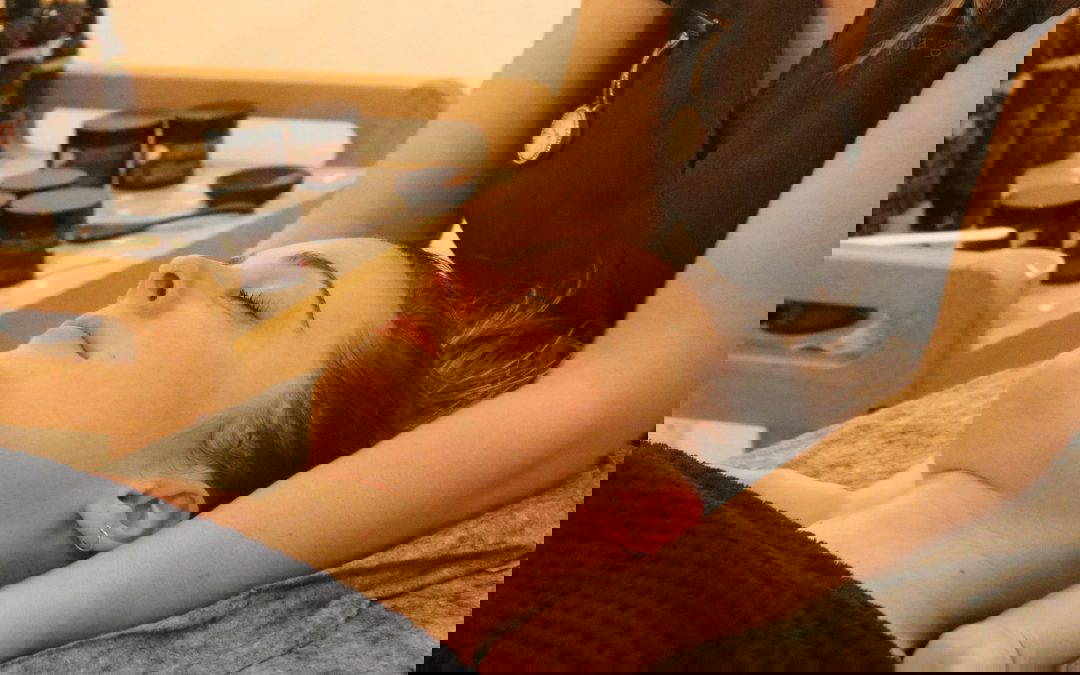
4. Add facial massage
While applying facial oil, follow a simple facial massage routine. This boosts circulation, encourages cell turnover, and gives the skin a healthy glow. Over time, it also supports natural repair and regeneration.
Emma’s rule of thumb:
“Think of winter skincare as layering clothing — you need hydration, comfort, and protection working together.”
When At-Home Skincare Isn’t Enough
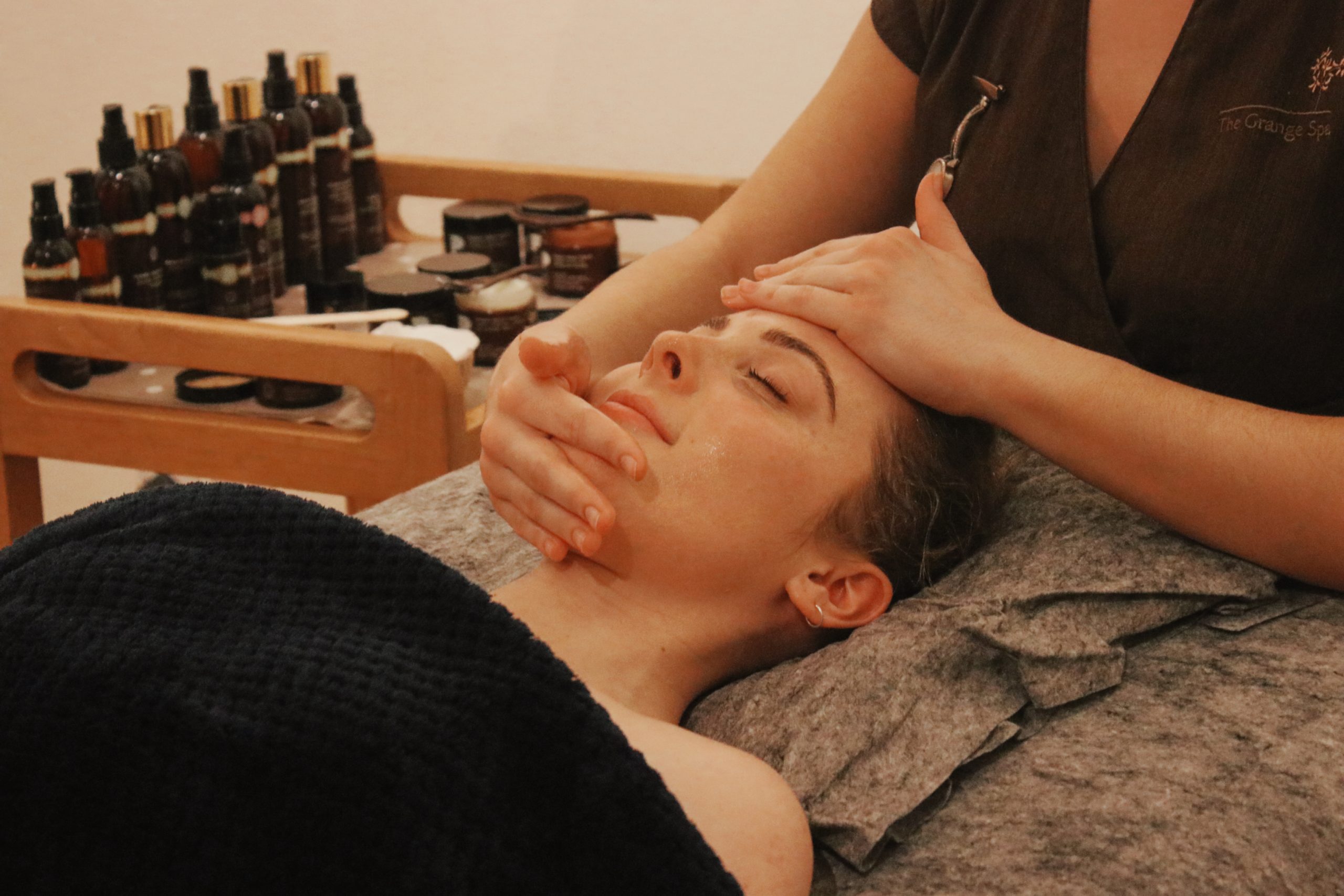
Seasonal changes place extra demand on the skin. For that reason, Emma often recommends starting winter with a professional facial.
A professional treatment:
-
Resets the skin
-
Improves hydration levels
-
Makes home products work more effectively
-
Allows a professional to assess your skin properly
In addition, professional treatments use targeted techniques that support the skin barrier more effectively than home care alone.
The Science Behind Professional Hydration: Layering That Works
One of the most effective professional approaches to winter skin focuses on humectant, emollient, and occlusive layering.
Step 1: Humectants
Humectants attract water to the skin. A well-known example is hyaluronic acid, which draws moisture from the environment or deeper layers of the skin into the surface.
Step 2: Emollients
Emollients smooth and soften the skin while filling in tiny cracks in the barrier. Jojoba oil, for example, improves texture and comfort.
Step 3: Occlusives
Occlusives seal everything in and prevent water from evaporating. However, not all occlusives are equal. Many creams use petroleum-based ingredients. At The Grange Spa, our Pinks Boutique products instead use shea butter as a natural way to lock in moisture.
The principle is simple:
pull in water → soften the skin → lock it in.
Why This Matters More in Winter
In winter, TEWL increases significantly. If humectants are used alone in very dry air, they can even draw moisture out of deeper skin layers. However, when combined with emollients and occlusives, hydration stays where it belongs.
This layered approach protects the skin barrier, reduces dehydration, and keeps skin comfortable throughout the colder months.
A Final Thought from Our Skin Expert
Winter skin problems are normal — but they aren’t inevitable.
With the right routine, the right products, and occasional professional support, your skin can stay hydrated, resilient, and healthy all winter long.
Emma adds:
“A professional facial in winter doesn’t just feel good — it makes your home skincare work better afterwards.”
You can browse our professional facials by clicking here...
If your skin feels uncomfortable or unresponsive despite good home care, a professional facial can help reset and support your skin through the colder months.
FAQ's
Why does my skin get so dry in winter?
Cold air holds less moisture, and indoor heating dries the air even further. As a result, water evaporates from the skin faster than it can be replaced, leading to dryness and irritation.
Why doesn’t moisturising twice a day fix winter skin?
Because winter skin problems often come from a weakened skin barrier, not just a lack of moisture. Without barrier support, hydration escapes quickly.
Can hot showers make winter skin worse?
Yes. Hot water and soap can strip the skin’s natural oils, which weakens the barrier and increases moisture loss, especially in winter.
How often should I exfoliate in winter?
Once a week is usually enough. Over-exfoliating can damage the skin barrier and make dryness and sensitivity worse.
Do I still need SPF in winter?
Yes. UV exposure continues year-round, and winter sun can still contribute to skin damage and sensitivity.
When should I consider a professional facial?
If your skin feels persistently dry, irritated, or unresponsive to home care, a professional facial can help reset hydration levels and improve how your products perform.